We’re often told to eat more vegetables for our health, and when it comes to the brain, that advice still holds. But some vegetables offer more targeted support, particularly when it comes to protecting the brain from oxidative stress.
This is one of the key drivers of cognitive decline, yet it’s rarely something we think about when choosing what to eat. It may also help explain why simply “eating well” doesn’t always translate into better energy, focus, or memory.
Being alive is a balancing act between making energy by combusting glucose with oxygen and generating ‘oxidant’ exhaust fumes that must then be neutralised. This process, known as oxidative stress, is a key contributor to ageing. Over time, if oxidants outpace your body’s ability to disarm them, damage accumulates in cells and tissues, including the brain.
The brain is particularly vulnerable. It consumes a high proportion of the body’s oxygen, is rich in fats that are susceptible to oxidation, and has relatively limited antioxidant defences compared with other tissues. This makes maintaining an effective antioxidant defence system essential for long-term cognitive health.
However, this process is not fixed. You can influence it. Improving your intake of antioxidants and polyphenols, and supporting your body’s internal defence systems, can help shift the balance and support brain resilience over time.
The Science Behind Eating the Rainbow
You’ve heard it before, but the science behind it matters.
Different colours in plant foods reflect different polyphenols and antioxidant compounds, each with distinct biological effects. These compounds do more than just neutralise oxidants. Many also act as signalling molecules, influencing inflammation, blood flow, and cellular pathways linked to brain function and ageing.
Mustard and turmeric, for example, are strong yellows. Dijon mustard is great, with no added sugar, and traditional English mustard is also beneficial. Turmeric, rich in curcumin, can be added to steam-fries, curries, or soups, grated into a tea, and even used in a turmeric latté.
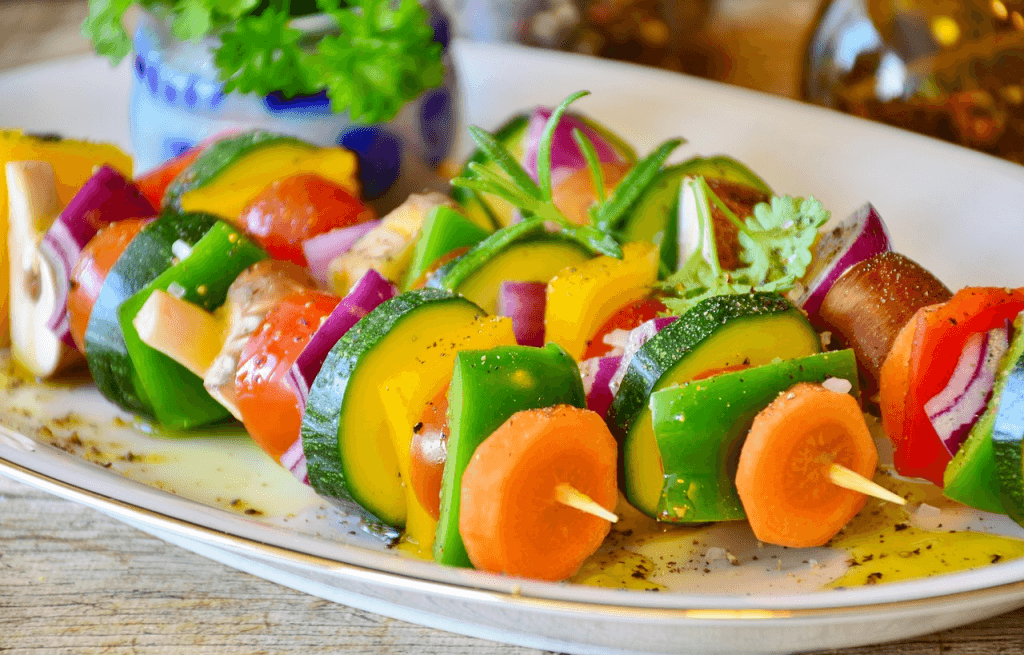
Bright oranges such as butternut squash, sweet potato, and carrots provide carotenoids that support cellular protection. Tomatoes are particularly rich in lycopene, associated with reduced oxidative damage. Strawberries are a lower glycaemic fruit option, and peppers of all colours are rich in vitamin C, which plays a central role in antioxidant recycling.
Anything purple, magenta, or blue is especially valuable. From beetroot to blueberries, blackberries, and raspberries, these foods are rich in anthocyanidins, a class of polyphenols associated with improved vascular and cognitive function.
Strong greens remain foundational. Spinach, kale, Brussels sprouts, broccoli, watercress, rocket, asparagus, and green beans all contribute a wide spectrum of antioxidants, minerals, and phytonutrients that support detoxification and cellular defence.
Eating the rainbow is not a nice idea. It’s an essential part of upgrading and protecting your brain at any age.
The Best Fruits and Vegetables for Brain Health
But are there any particular vegetables or fruits that pack the biggest punch as far as polyphenols and antioxidants are concerned? Or, if you know you can’t or don’t like to eat a huge variety of fruit and veg, are there particular ones to focus on eating to get the most benefit?
Foods that are high in ‘polyphenols’, which refers to the structure of plant-based compounds, seem especially beneficial for protecting your brain. You might have heard of flavonoids in berries, quercetin in red onions, anthocyanidins in blue and red foods, and isoflavones in beans. These are all examples of polyphenols. Herbs and spices such as peppermint, basil, oregano, cumin, and curcumin in turmeric contain high levels of polyphenols and potent antioxidants.
But there are other criteria by which to judge a plant, including its ability to influence pathways linked to cellular ageing. Certain polyphenols, such as resveratrol, interact with sirtuin pathways involved in cellular repair and longevity. For example, olives, blueberries, and kale support these processes.
Then there’s a group of compounds called ‘salvestrols’, generally only found in organic fruit, vegetables, herbs, and spices, which turn out to be anti-cancer. They’re produced in plants as part of their self-defence system against invaders such as fungi. If the plant is sprayed with fungicides, it won’t produce them.
Taking all these factors into account, including the GL, antioxidants, polyphenols, salvestrols, and sirtuin-related activity, these are the dozen best-rated fruits and vegetables. (This list is not definitive. More and more research continues to reveal the healing power of nature’s fruits and vegetables.)
So, if eating the ‘rainbow’ feels like too much pressure or is difficult to achieve, think about incorporating some of the above into your meals each day.
Our Top 13 to Help Keep Your Brain Young
| Lowest GL | Antioxidant | Polyphenol | Salvestrol | Sirtuin Act. | |
| Olives | *** | *** | *** | *** | *** |
| Blueberries | *** | *** | ** | *** | *** |
| Kale | *** | ** | *** | *** | *** |
| Blackcurrants | ** | *** | ** | *** | *** |
| Broccoli | *** | ** | *** | *** | |
| Artichokes | *** | ** | *** | *** | |
| Cabbage (red) | *** | *** | ** | *** | |
| Asparagus | *** | ** | ** | *** | |
| Onions (red) | ** | * | *** | *** | |
| Avocado | *** | ** | ** | *** | |
| Apples | ** | ** | ** | ** | ** |
| Beetroot | * | * | *** | ||
| Cherries | ** | ** | ** |