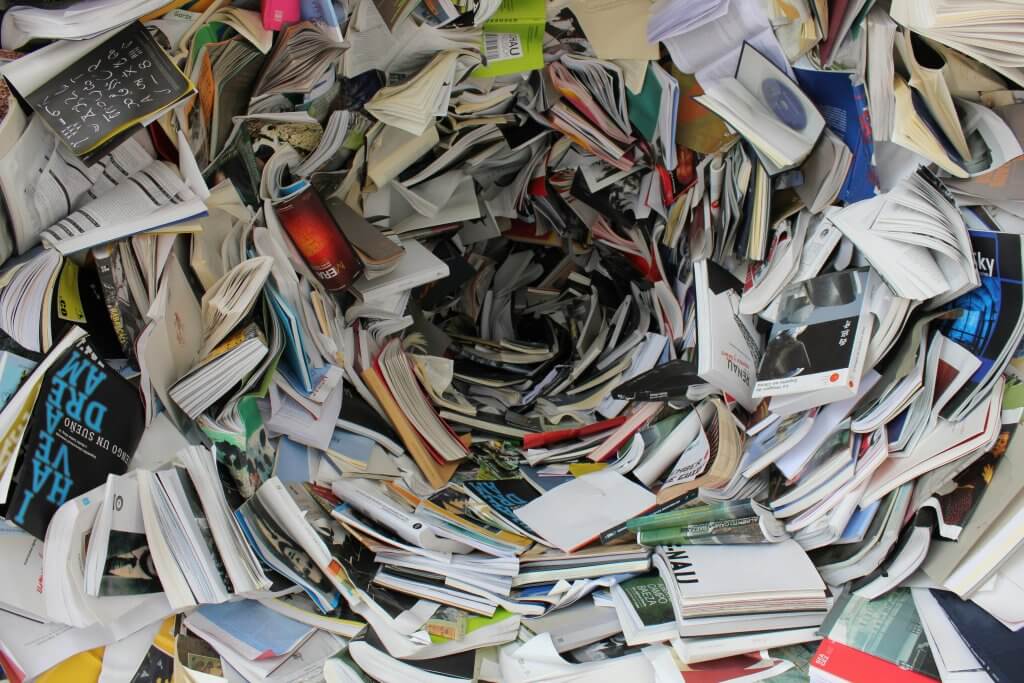
There are more benefits to a tidy home than being able to find what you need quickly and easily.
Clutter often creates hidden costs that add up quickly. Chances are good that you’re buying duplicates – or more – of what you already own for the simple reason that you can’t find what you’ve already got.
Every square foot in your home is valuable real estate, and when it’s consumed by things you don’t use or love, you’re essentially putting a price tag on clutter and paying rent for your stuff.
Overflow means paying for storage units (the land of emotional mismanagement) or installing costly shelving in the garage.
The financial impact of clutter goes beyond the tangible, too.
Living in a cluttered environment has been linked in studies to higher stress and lower productivity, which can impact mental health and even your earning potential.
What looks like a messy closet can quietly sit in the background, draining a bank account.
Once people recognize that clutter has a real dollar cost, they begin to see clearing out as a financial decision as much as an emotional one.
How to clear clutter and regain financial control
To set yourself up for a successful decluttering session, first, take a breath, and develop a sense of awareness – taking an inventory of what you own versus what you’re actually using.
So many clients tell me, “But I love everything“, to which I respond, “Then let’s see if you can change your definition of love” – because a lot of this stuff doesn’t love you back.
When deciding where to start when decluttering, I suggest focusing on one drawer, one closet, or one room at a time. This way, you gradually regain both financial and emotional control without descending into decluttering when overwhelmed.
Then, set small, achievable goals to reduce duplication and free up space. One of my best decluttering tips is to set a date to declutter with a friend, utilizing the motivating boost and emotional support of body doubling, and add it to both calendars.
Facing up to your financial burdens can be very emotionally draining. When it comes to working out what to do with the items you are decluttering, see where you can reclaim some of those previously lost finances.
Sell unused items online, or donate to the nearest non-profit for a tax deduction, and eliminate the need for off-site storage. All of these steps will move you toward a clutter-free lifestyle for free.
Think of clearing clutter as an investment in your future self and how you want to live moving forward. Every bag sold or donated, every duplicate returned to circulation, every storage bill canceled – it all adds up.
Less clutter means less financial waste, more time, and a greater sense of calm at home. That’s a return on investment you can feel every single day.
Of course, one of the best ways to save money is to stop clutter before it starts. The ETC Method is ideal for this, helping to cut spending and reduce waste and clutter.